
- 0
- 1,626 word
Personal data has become one of the most valuable commodities in the cybercrime economy. Over the past 15 years investigating cyberattacks, identity fraud cases, and large-scale security incidents, I’ve witnessed a dramatic shift in how cybercriminals operate. What once required advanced technical skills can now be automated, outsourced, and scaled globally.
Today, hackers target everything from email credentials and banking information to healthcare records and social media accounts. Understanding how hackers steal personal information is no longer optional. Whether you’re an individual, freelancer, business owner, or enterprise employee, your digital identity is constantly under attack.
One of the most concerning trends I have observed is the rise of identity theft online fueled by AI-driven scams, stolen credentials, and massive data breaches. Many victims never realize their information has been compromised until financial losses or account takeovers occur.
In this guide, I’ll explain the most common cybercriminal tactics explained through real-world investigation insights, helping you understand modern threats and practical defenses in 2026.
Why Personal Data Is Valuable to Cybercriminals
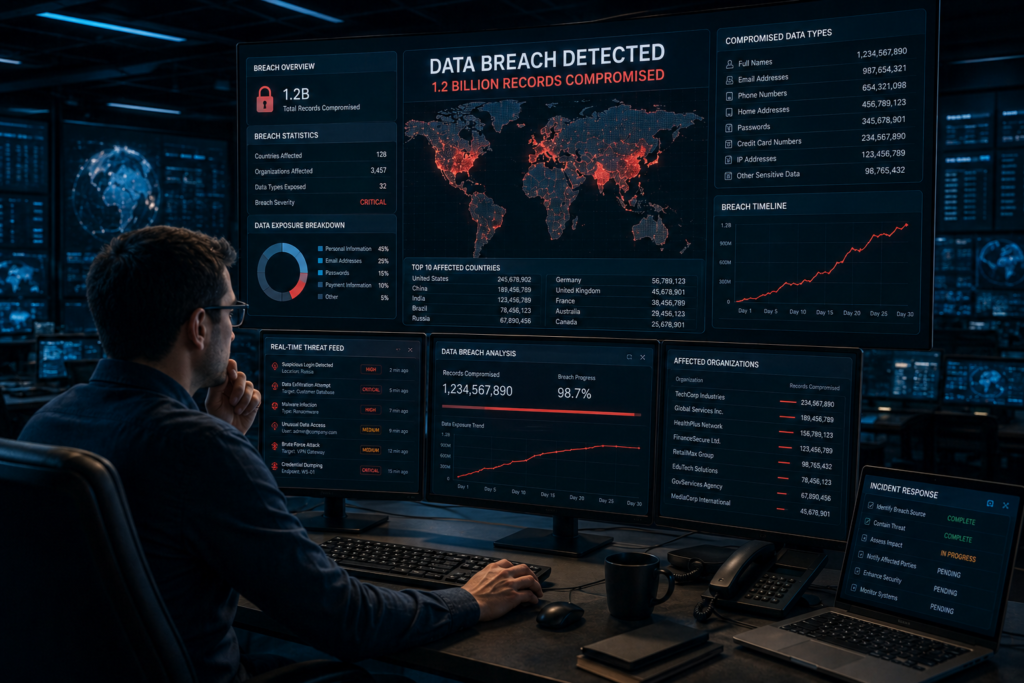
Cybercriminals steal personal data because it generates enormous profits.
Financial Fraud
Stolen banking details, payment card information, and online banking credentials allow attackers to conduct fraudulent transactions.
Identity Theft
Criminals use stolen information to:
- Open loans
- Apply for credit cards
- Create fake identities
- Commit financial fraud
Account Takeovers
Attackers gain access to:
- Email accounts
- Social media profiles
- Business systems
- Cloud storage platforms
Dark Web Marketplaces
Personally identifiable information (PII) is frequently sold on underground marketplaces where buyers purchase stolen credentials in bulk.
Corporate Espionage
Organizations also become targets when attackers seek:
- Trade secrets
- Customer databases
- Intellectual property
- Financial records
In many investigations I’ve handled, a single stolen corporate database generated millions of dollars in criminal profits through fraud and extortion.
How Hackers Steal Personal Information
Understanding these major personal data theft methods is the first step toward protection.
Phishing Attacks
Phishing remains one of the most effective techniques.
Attackers create convincing emails designed to trick users into revealing credentials.
Common phishing methods include:
- Fake login pages
- Credential harvesting sites
- Email phishing campaigns
- SMS phishing (Smishing)
- Voice phishing (Vishing)
AI-Generated Phishing Campaigns
In 2026, attackers increasingly use AI tools to create personalized phishing messages that closely mimic legitimate communications.
Social Engineering Attacks
Many successful attacks exploit human psychology rather than technical vulnerabilities.
Common techniques include:
- Impersonation
- Authority abuse
- Urgency tactics
- Trust manipulation
I once investigated a case where attackers impersonated a company executive and convinced employees to transfer sensitive customer records without triggering any technical alarms.
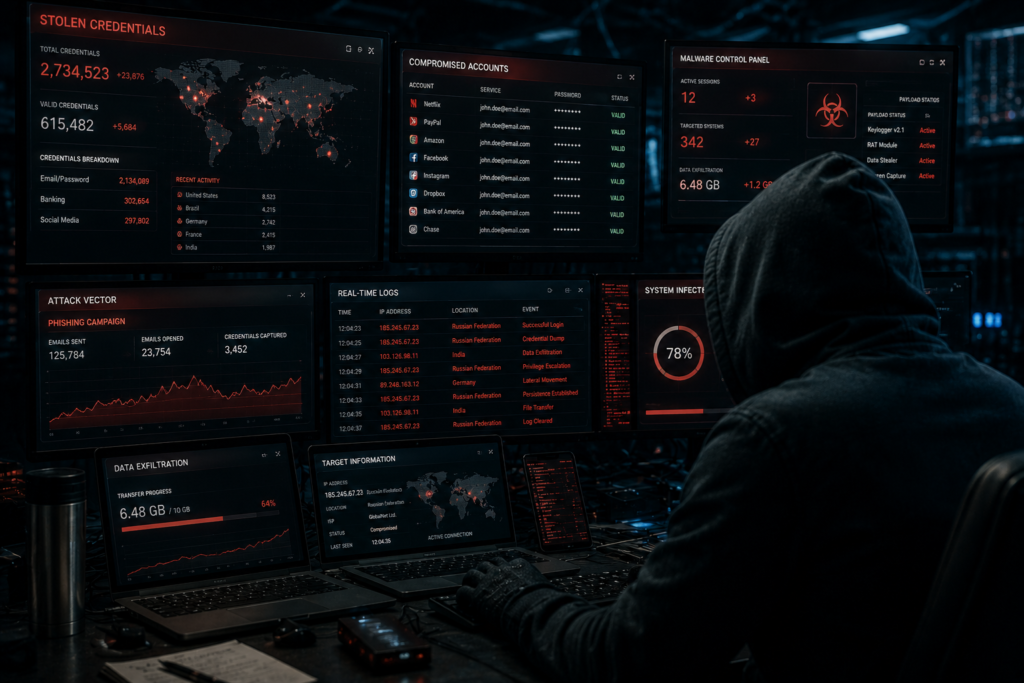
Malware and Spyware Infections
Malware remains among the most dangerous personal data theft methods.
Keyloggers
Record every keystroke typed by victims.
Banking Trojans
Specifically target financial institutions and online banking users.
Infostealers
Collect:
- Passwords
- Cookies
- Browser history
- Cryptocurrency wallets
Remote Access Trojans (RATs)
Allow attackers complete control over infected devices.
Public Wi-Fi Attacks
Public networks often lack proper security controls.
Common risks include:
Man-in-the-Middle Attacks
Attackers intercept communications between users and websites.
Rogue Hotspots
Fake Wi-Fi networks designed to capture user data.
Data Interception
Unencrypted traffic can expose:
- Login credentials
- Emails
- Personal messages
Data Breaches
Data breaches continue to fuel large-scale identity theft.
Corporate Breaches
Attackers compromise company databases.
Third-Party Breaches
Suppliers and vendors often become weak security links.
Credential Leaks
Millions of passwords appear online following breaches.
Exposed Databases
Misconfigured cloud environments frequently expose sensitive information.
Cybercriminal Tactics Explained: Modern Data Theft Techniques
AI-Powered Cybercrime
AI enables attackers to:
- Automate phishing
- Generate convincing scams
- Analyze victim behavior
- Scale attacks globally
Deepfake Fraud
Attackers now create realistic video and audio impersonations.
QR Code Scams
Malicious QR codes redirect users to phishing websites.
Session Hijacking
Attackers steal active sessions to bypass passwords entirely.
Cookie Theft
Stolen browser cookies can grant access without credentials.
Browser Exploits
Unpatched browsers remain frequent attack vectors.
Data Theft Methods Comparison
| Data Theft Method | Difficulty Level | Potential Damage | Common Targets | Prevention Strategy |
|---|---|---|---|---|
| Phishing | Low | High | Everyone | User awareness and MFA |
| Malware | Medium | Very High | Consumers and Businesses | Antivirus and updates |
| Social Engineering | Low | High | Employees | Security training |
| Public Wi-Fi Attacks | Medium | Moderate | Travelers | VPN usage |
| Data Breaches | High | Severe | Organizations | Security controls |
| Credential Stuffing | Medium | High | Online accounts | Unique passwords |
| Fake Websites | Low | High | Consumers | URL verification |
Expert Analysis
Based on hundreds of investigations, phishing remains the most common entry point, while infostealer malware currently causes the greatest volume of credential theft worldwide.
Warning Signs That Your Personal Information Has Been Stolen
Watch for these indicators:
- Unusual account activity
- Unknown device logins
- Password reset notifications
- Unauthorized purchases
- Unexpected MFA prompts
- New accounts opened in your name
One consistent pattern I see among victims is delayed response. Many ignore early warning signs until significant damage occurs.
Identity Theft Online: Real Consequences of Data Theft
Financial Losses
Victims often face fraudulent purchases and unauthorized loans.
Account Takeovers
Attackers lock users out of critical accounts.
Reputation Damage
Compromised social media profiles can damage personal and professional reputations.
Business Risks
Organizations may experience:
- Customer trust loss
- Regulatory penalties
- Operational disruption
Long-Term Identity Fraud
Identity theft cases can persist for years after the initial compromise.

Data Breach Prevention Tips Every Internet User Should Follow
Effective data breach prevention tips begin with basic security hygiene.
Use Strong Unique Passwords
Avoid password reuse across accounts.
Enable Multi-Factor Authentication
MFA significantly reduces account compromise risk.
Use Password Managers
Password managers generate and store secure credentials.
Keep Software Updated
Install security patches immediately.
Verify Links Before Clicking
Always inspect URLs carefully.
Monitor Account Activity
Review login histories and financial transactions regularly.
Secure Home Networks
Use:
- Strong Wi-Fi passwords
- WPA3 encryption
- Updated router firmware
When teaching users how hackers steal personal information, I emphasize that prevention usually costs far less than recovery.
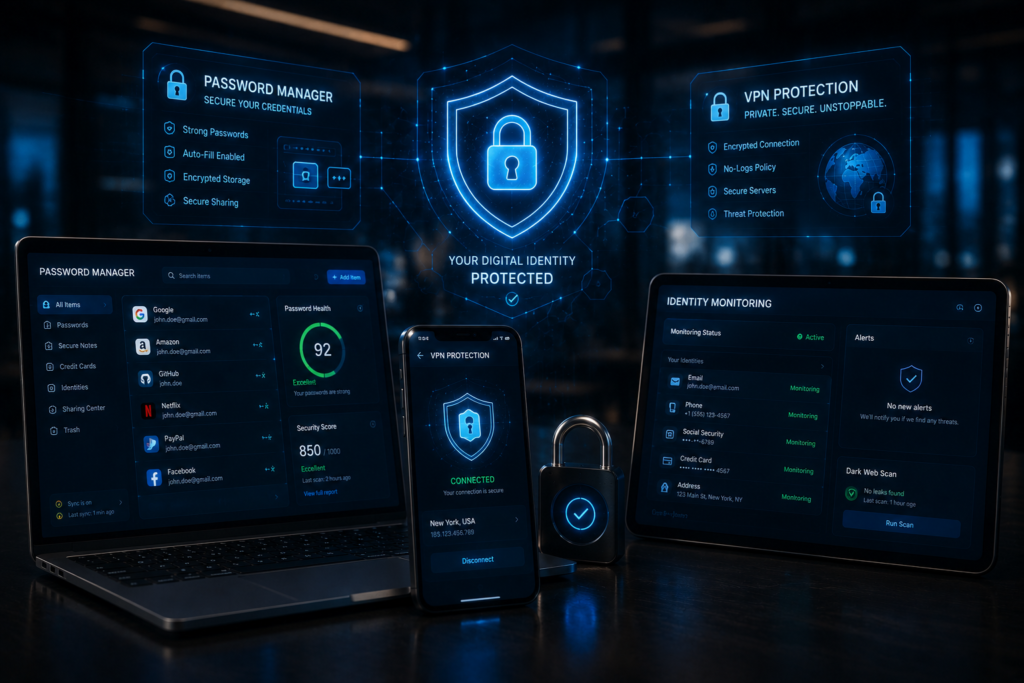
Essential Security Tools to Protect Personal Data
Password Managers
Recommended for generating unique passwords.
Antivirus Software
Provides malware detection and prevention.
VPN Services
Encrypt internet traffic on public networks.
Identity Monitoring Tools
Monitor exposed credentials and suspicious activity.
Browser Security Extensions
Help block malicious websites and tracking scripts.
Latest Cybersecurity Trends in 2026
AI-Driven Cyberattacks
Automation allows attackers to launch large-scale campaigns efficiently.
Automated Credential Theft
Infostealers continue evolving rapidly.
Deepfake Identity Fraud
Voice and video impersonation attacks are increasing.
Cloud Security Risks
Cloud misconfigurations remain a leading cause of breaches.
Passwordless Authentication
Organizations increasingly adopt passkeys and passwordless security models.
Future Predictions
Over the next several years, I expect:
- More AI-powered attacks
- Greater use of behavioral biometrics
- Wider adoption of passkeys
- Increased identity verification technologies
For additional security guidance, organizations should review resources from NIST, CISA, OWASP, IBM Security, Microsoft’s Security Blog, Google’s Security Center, and the Verizon Data Breach Investigations Report.
Frequently Asked Questions
1. How do hackers steal personal information most often?
Phishing remains the most common method because it exploits human trust rather than technical vulnerabilities.
2. What is the most dangerous form of identity theft online?
Financial identity theft combined with account takeovers often causes the greatest damage due to direct monetary losses.
3. Can hackers steal information through public Wi-Fi?
Yes. Attackers can intercept unencrypted traffic using rogue hotspots and man-in-the-middle attacks.
4. What should I do after a data breach?
Immediately change passwords, enable MFA, monitor financial accounts, review credit reports, and investigate exposed accounts.
5. How can I protect my personal information online?
Use strong passwords, MFA, updated software, password managers, and security monitoring tools while remaining cautious of phishing attempts.
Expert Recommendations
After 15 years of cybersecurity investigations, these practices consistently provide the strongest protection:
Best Security Habits
- Use unique passwords everywhere
- Enable MFA on every important account
- Verify unexpected requests
- Update devices regularly
Most Effective Protection Strategies
- Adopt passkeys when available
- Use identity monitoring services
- Conduct regular security reviews
Recommended Cybersecurity Tools
- Password managers
- Antivirus solutions
- VPN services
- Identity monitoring platforms
Daily Online Safety Practices
- Review account alerts
- Check login activity
- Avoid suspicious links
- Limit oversharing on social media
Final Verdict
The most common personal data theft methods remain phishing, malware, social engineering, credential theft, and data breaches.
The biggest threats in 2026 include AI-powered phishing campaigns, infostealer malware, deepfake fraud, and automated credential attacks.
The most effective prevention measures include:
- Strong unique passwords
- Multi-factor authentication
- Password managers
- Regular updates
- Security awareness
If there’s one lesson I’ve learned from investigating countless cybercrime cases, it’s this: attackers rarely target technology first they target people.
Conclusion
Understanding how hackers steal personal information is one of the most important cybersecurity skills you can develop in 2026. From phishing campaigns and malware infections to AI-powered scams and large scale breaches, cybercriminals continue refining their tactics every year.
Fortunately, most successful attacks remain preventable. By following proven data breach prevention tips, strengthening account security, monitoring suspicious activity, and staying informed about emerging threats, you can dramatically reduce your risk of becoming a victim of identity theft online.
Start today. Audit your passwords, enable MFA, update your devices, and review your digital security habits. The sooner you act, the harder you make it for cybercriminals to succeed.
Author

razamohd1203@gmail.com
Related Posts
VPN vs Proxy: Difference Between VPN and Proxy – Which Is Better for Privacy in 2026?
- 1
- 1,419 word
The demand for online privacy tools has exploded in recent years. From everyday users trying to bypass geo-restrictions to businesses securing remote...
WordPress Security Tips: How to Secure WordPress Website Like a Pro in 2026
- 1
- 1,379 word
In my 15 years of working as a WordPress security consultant, I’ve seen one pattern repeat itself again and again website owners...
Best Secure Browser for Privacy: Browser Privacy Comparison and Security Guide for 2026
- 0
- 1,933 word
If there is one lesson I have learned after spending more than 15 years testing browsers, auditing privacy settings, investigating online tracking...
Best Password Manager 2026 : Top Password Managers Compared and Reviewed by Security Experts
- 1
- 1,601 word
Over the past 15 years working in cybersecurity, one trend has remained surprisingly consistent: passwords continue to be one of the weakest...